Welcome to Mizzou Engineering
About
Strategic Plan
Mizzou Engineering’s strategic plan sets a bold course to shape the future of engineering through world-class education, impactful research and meaningful partnerships that drive innovation and progress in Missouri and beyond.
Discover Mizzou Engineering
Explore Mizzou Engineering’s latest research innovations, achievements and hands-on learning opportunities in the 2025 Annual Report.

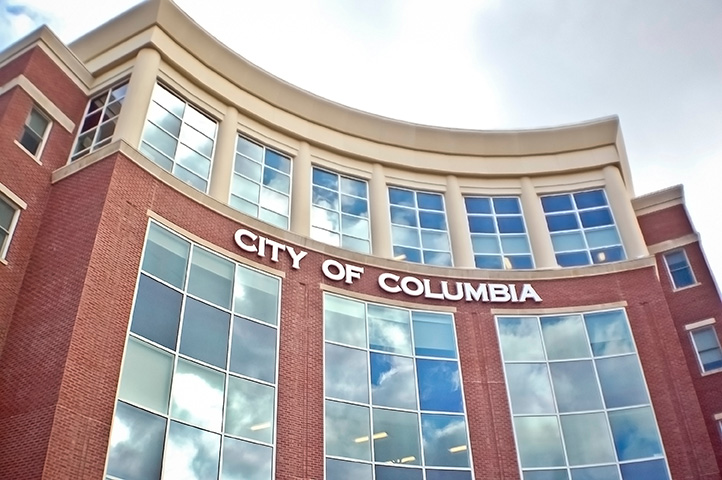
Explore Columbia
We’re proudly located in Columbia, Missouri, consistently ranked one of the top college towns in the U.S. Mizzou Engineering is just steps away from a thriving downtown where you’ll have lots of options to eat, shop and have fun.
Alumni
Mizzou Engineering alumni are critical to the legacy and continued success of the College. We encourage our alumni to stay connected, whether you wish to recognize fellow Mizzou Engineering alumni, explore our alumni organizations or discover ways to support the College.
Dean's Advisory Council
The Dean’s Advisory Council (DAC) is a group that serves as champions for the University of Missouri College of Engineering. It is comprised of several of the College of Engineering’s most prominent alumni.
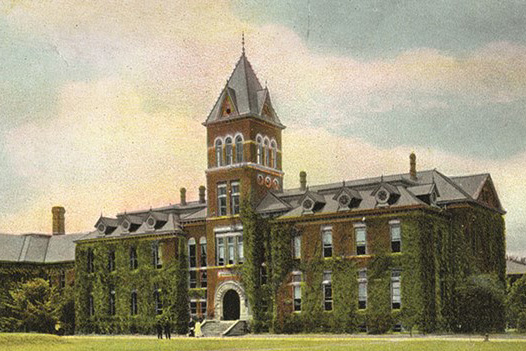
Explore our History
Read more about the history of the College of Engineering and explore the milestone moments that helped make us who we are today.