February 22, 2026
A faculty learning community is empowering Mizzou Engineering educators to become more effective in the classroom and create better student outcomes.
At Mizzou Engineering, faculty constantly challenge one another to excel. Through continual improvement, they develop the engineers and leaders of tomorrow.
Some engineering faculty members are taking intentional action as part of a faculty learning community (FLC). In this collaborative peer-led group, educators learn about teaching practices, share ideas and implement them in their classes.
Roger Fales, associate dean for undergraduate education and student success, said FLCs help instructors assess the impact of their teaching practices, become more effective in the classroom and create better outcomes for students.
“Our faculty learning community is an essential part of how we foster a culture of innovative teaching,” Fales said. “When our instructors learn from one another, our students benefit through richer classroom experiences, stronger support systems and a shared commitment to their success.”
Faculty members measure the effectiveness of the practices they implement through student feedback through anonymous surveys, participation data and assessment of student work. Below are a few examples of the results some Mizzou Engineering faculty are seeing.


Rebecca Lim, Chemical and Biomedical Engineering
In Chemical Engineering Thermodynamics I (CH_ENG 3261), we shifted learning from passive listening to active collaboration. Students now earn credit by working in small groups to solve problems. This change has led to stronger engagement and better learning outcomes. Classroom energy is higher, attendance has improved, and students are more confident.

James Ries, Electrical Engineering and Computer Science
We added iClicker Quick Quizzes to Algorithm Design and Programming II (CMP_SC 2050). Students answer a multiple-choice question to check their understanding of a previously covered topic. Since iClicker can be geo-fenced, responses are counted only if students are physically in the classroom. This improved attendance and student engagement. We also moved up the debugging lecture and added examples of bugs in superficially correct code throughout the semester. This improved engagement and honed students’ skills.

Aaron Saucier, Civil and Environmental Engineering
I redesigned Engineering Statics (ENGINR 1200) to emphasize active learning, real-time feedback and early intervention using tools such as iClickers, structured in-class activities and Canvas analytics. During the fall 2025 semester, student engagement improved noticeably, with course evaluations emphasizing clear organization, frequent practice and strong instructional support. At the same time, the D, F and withdraw (DFW) rate declined compared to prior offerings, indicating improved performance and persistence in this gateway engineering course.

Ali Shiri Sichani, Electrical Engineering and Computer Science
In VHDL and Programmable Logic Devices (ECE 4250), I strengthened the structured organization of lectures and assignments by clarifying objectives, aligning assessments and using transparent grading. I strengthened the supportive learning environment through timely feedback, additional office hours and targeted resources. Engagement rose with active learning, in-class demonstrations and quizzes that encouraged participation, while collaboration increased through group-based lab work, discussions and team design projects.

Ekincan Ufuktepe, Electrical Engineering and Computer Science
In Algorithm Design and Programming I (CMP_SC 1050), we introduced a grade weight adjustment policy. Students appreciated the ability to reflect on their performance and tailor assessment weights to their strengths. Also, our gamified debugging sessions energized the classroom and transformed debugging into a collaborative, social experience. Together, these interventions reinforced a strong sense of community, increased student engagement, and revealed how intentional flexibility and play can meaningfully support student success.
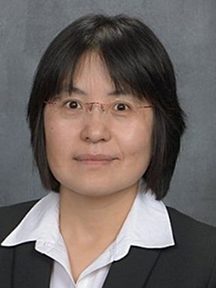
Peifen Zhu, Electrical Engineering and Computer Science
I am applying strategies I learned in the Faculty Learning Community workshops in my class Electromagnetics Theory (ECE 3510). We’re just a few weeks into the semester and I’m already seeing clear improvements. Students are more engaged, there’s more participation, and I feel like my teaching is more effective overall.
At Mizzou Engineering, we’re expanding our strengths in research and innovation. Join our faculty!