October 18, 2026
See how Mizzou scientists are turning discoveries into new ways to prevent, diagnose and treat disease.
By Brian Consiglio | Show Me Mizzou
Photos by Abbie Lankitus
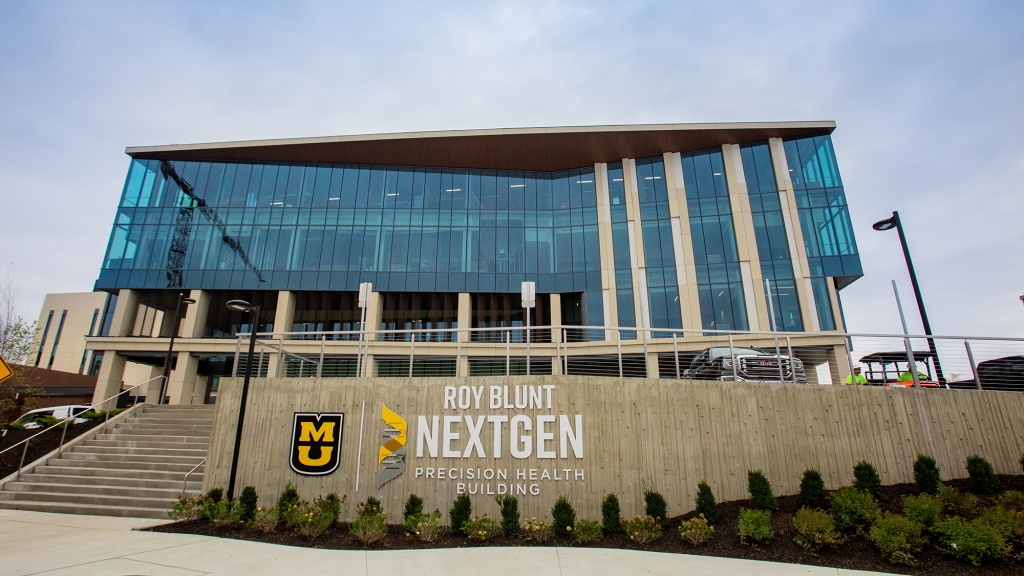
Five years ago, a new facility opened on the University of Missouri campus with an ambitious promise: speed the journey from lab-bench discoveries to treatments that could improve — and even save — lives.
Today, behind the glass walls of the Roy Blunt NextGen Precision Health building, that promise is taking shape.
In one lab, researchers are finding ways to prevent cancer before it starts. Down the hall, scientists are working to delay the onset of Alzheimer’s disease. Around the corner, investigators are developing gene therapies to slow the progression of heart failure.
This is precision health at Mizzou — research happening across disciplines and under one roof, with scientists, clinicians and industry partners working together to improve the lives of Missourians and people worldwide.
Now, for the building’s fifth anniversary, we’re taking you inside to see that work for yourself.
Up next: Why one treatment doesn’t fit all
Give two people with the same disease the same medicine, and their bodies may respond differently.
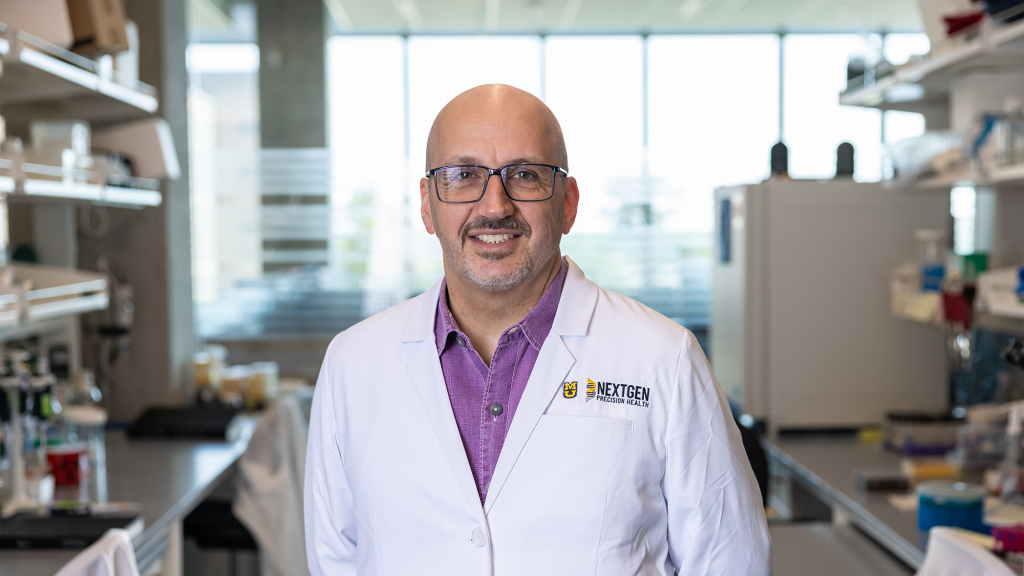
Adam Schrum wants to know why. His team studies what makes one person’s immune system behave differently from another’s, including the role hormones may play.
The goal is to help doctors treat what’s going wrong without weakening the immune defenses patients still need.
Next stop: Watching the lungs at work
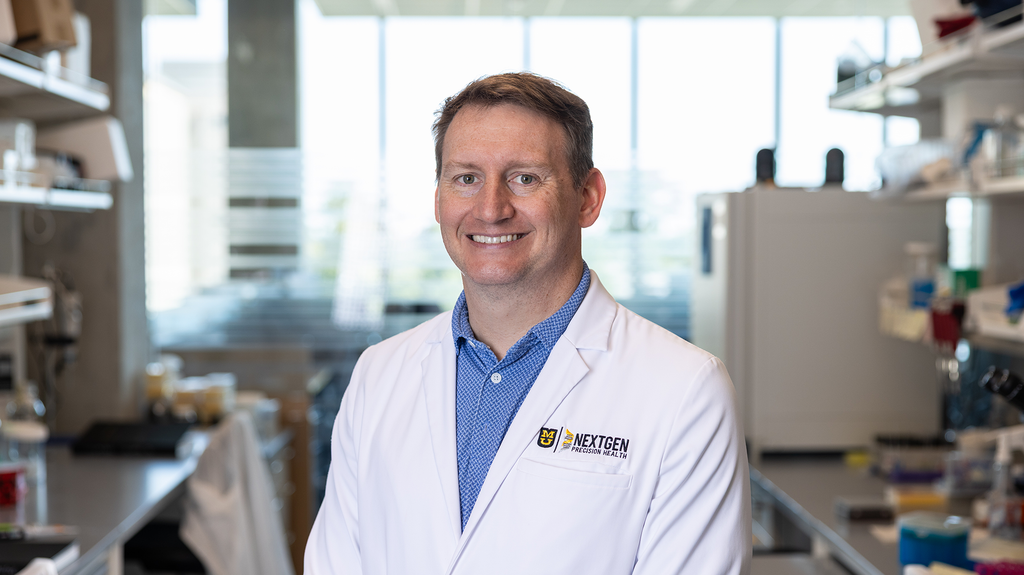
An MRI can show doctors what the lungs look like. Robert Thomen wants to show them how well the lungs work.
His team does this by having patients inhale a harmless gas during an MRI scan, allowing researchers to watch how air moves through the lungs of the patient and how effectively the lungs exchange gases.
For people with asthma or chronic obstructive pulmonary disease, those images could provide a clearer picture of what’s going wrong. Doctors could then use that information to choose treatments based on how a patient’s lungs are functioning.
Getting our steps in: Smarter wearable devices
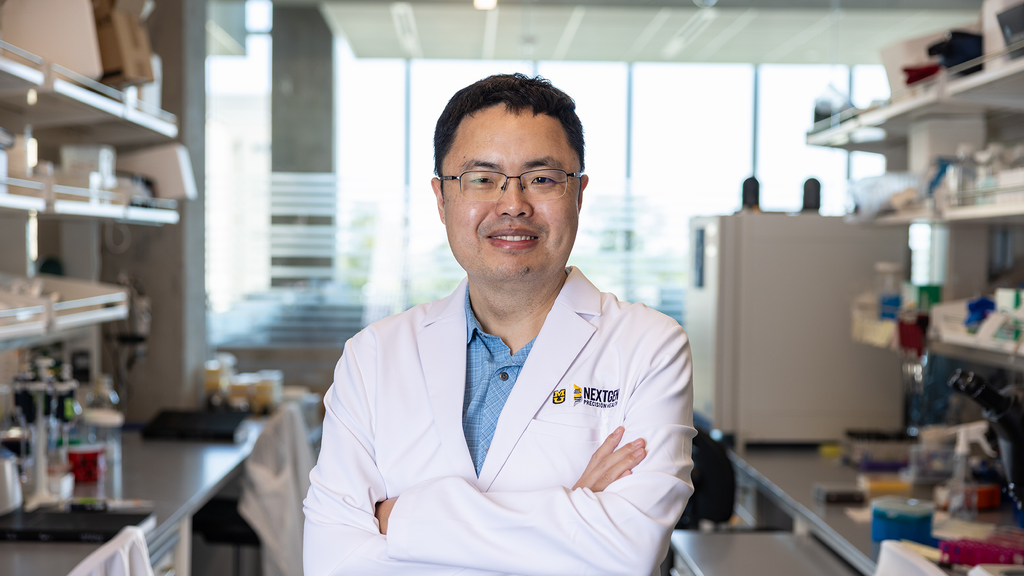
Smartwatches and fitness trackers can already count steps and measure heart rate. Zheng Yan is developing wearable devices that could go much further — continuously monitoring what’s happening inside the body and spotting potential health problems before symptoms appear.
His team is creating ultra-thin, soft and breathable devices designed to move with the skin. Combined with artificial intelligence, the technology could alert someone when something looks unusual.
That early warning could help people seek care before a small problem becomes something more serious.
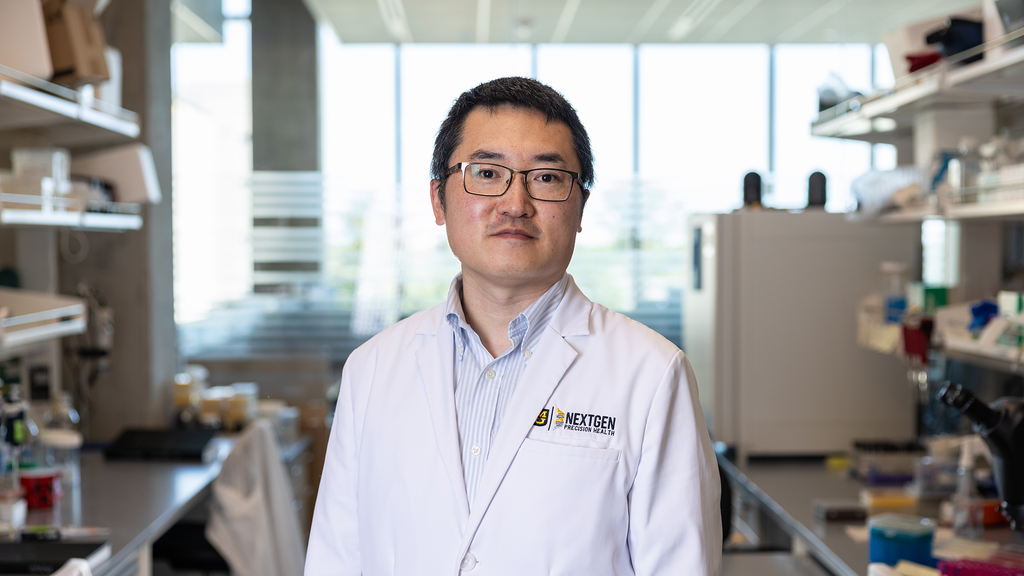
Catch your breath: Cutting heart scan times by 90%
A heart MRI can require patients to repeatedly hold their breath and remain perfectly still while doctors capture detailed images. For some patients, that can make an already stressful medical test even more difficult.
Changyu Sun is using artificial intelligence to make that experience faster and easier. His team has developed AI-powered techniques that can run directly on MRI scanners and cut the time needed for some heart MRI scans by about 90%, allowing images to be acquired in just a few heartbeats. Faster scans could make cardiac MRI accessible to more patients.
Sun’s team is also exploring how AI can help doctors analyze heart images and identify signs of heart disease earlier.
Read the full story as it originally appeared on Show Me Mizzou. Want more stories like this? Subscribe to the Show Me Mizzou newsletter.