April 01, 2026
Efforts launched in fall 2025 will reinforce a culture where outstanding teaching is continuously supported, celebrated and advanced.
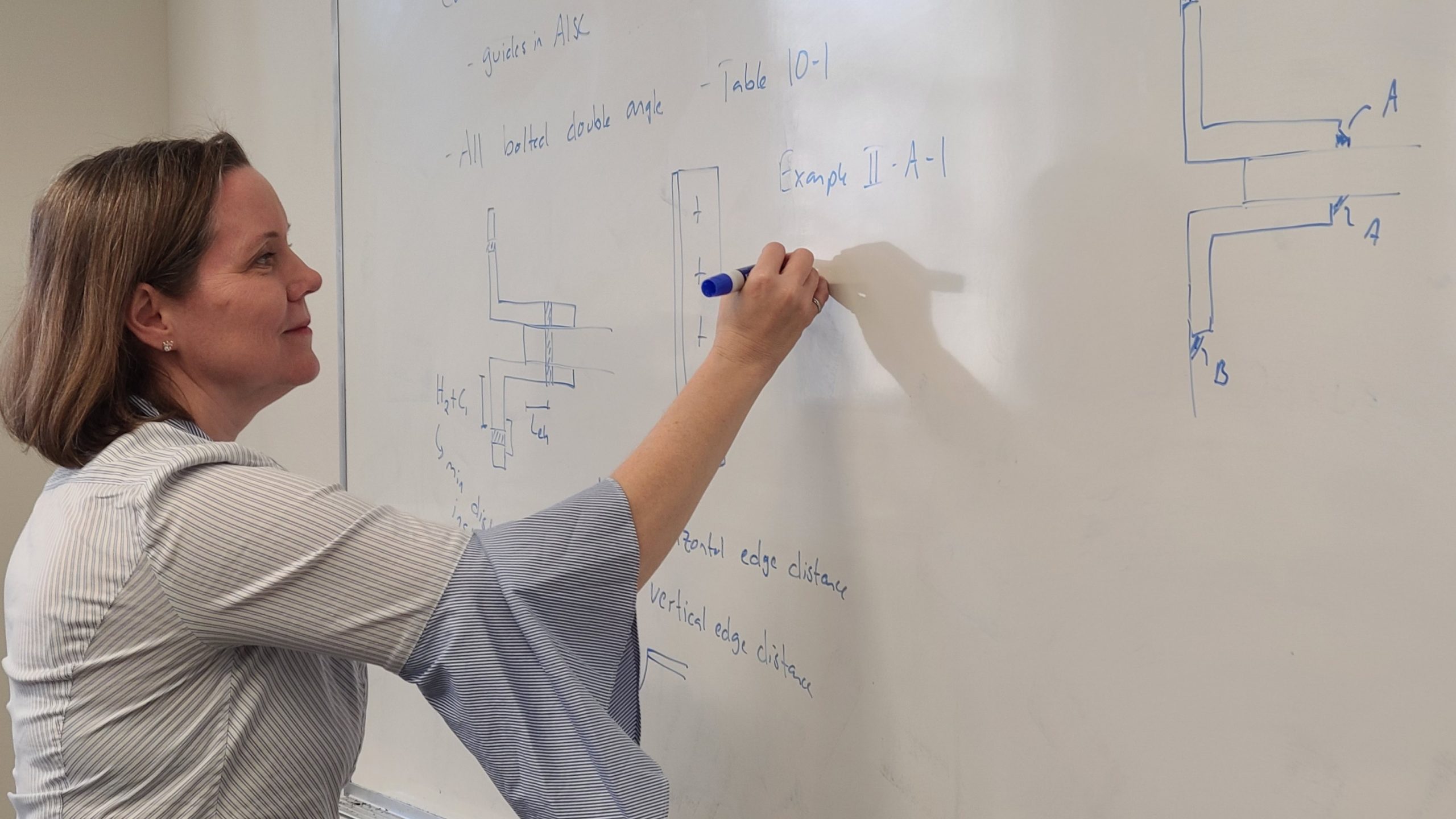
Mizzou Engineering has a reputation for excellence. By meeting the highest academic standards, we consistently provide our students with a reliable foundation for growth and excellence.
The Department of Civil and Environmental Engineering (CEE) has launched a comprehensive initiative aimed at strengthening teaching excellence and enhancing the student experience across its undergraduate and graduate programs.
Learning Advancement Through Teaching Innovation in Civil and Environmental Engineering (LATTICE) builds on the department’s strong instructional foundation while creating greater alignment, consistency and innovation across courses.

“All our students deserve the very best learning experience we can provide,” CEE Chair Praveen Edara said. “This work reflects our commitment to delivering strong teaching as well as strong content.”
CEE students value CEE’s dedicated instructors and meaningful classroom experiences. In ongoing feedback, they emphasize the importance of consistency in course structures, expectations and support.
LATTICE creates a unified framework to promote that consistency while preserving faculty autonomy and creativity. The seven-part initiative will enhance instruction, deepen support for faculty and teaching assistants, integrate new learning technologies and gather more actionable student feedback.
To promote collaboration and continuous improvement, the department chair will visit classes and review corresponding Canvas materials. Edara stressed that the class visits are supportive rather than evaluative.
“They’re about celebrating our strengths, addressing challenges and helping faculty access resources for instructional enhancement,” he said.
LATTICE will also reinforce students’ long‑term understanding and prepare them for advanced coursework. Key prerequisite courses will include end‑of‑semester assessments to verify students’ mastery of foundational concepts. Students will then complete a refresher module at the start of the next term.
As part of the initiative, faculty are piloting departmental GPT-based study assistants across multiple courses, providing students with 24/7 support on questions, concepts and problem-solving. The chatbots include academic integrity guardrails and are being assessed using student feedback, usage data and course outcomes, Edara said.
New mentoring sessions and observational feedback opportunities will help teaching assistants (TAs) strengthen communication, grading consistency and student engagement. An Outstanding TA Award will recognize exemplary service.
To promote interaction and timely feedback, high‑enrollment courses such as Statics and Strengths will be split into smaller sections beginning this year.
Faculty now have dedicated funding for pedagogical conferences, workshops and course redesign. The department invested more than $55,000 in FY25 to encourage 11 faculty members to participate in AI‑enhanced teaching initiatives.
Optional department-specific questions will be added to end‑of‑semester student evaluations in required undergraduate courses, enabling more targeted improvements.
A model for student-centered engineering education
LATTICE aims to strengthen consistency across courses, increase student satisfaction, enhance concept retention and improve performance in advanced classes and on professional engineer licensure exams such as Fundamentals of Engineering.
The initiative also positions the department as a leader in engineering education and aims to attract more students.
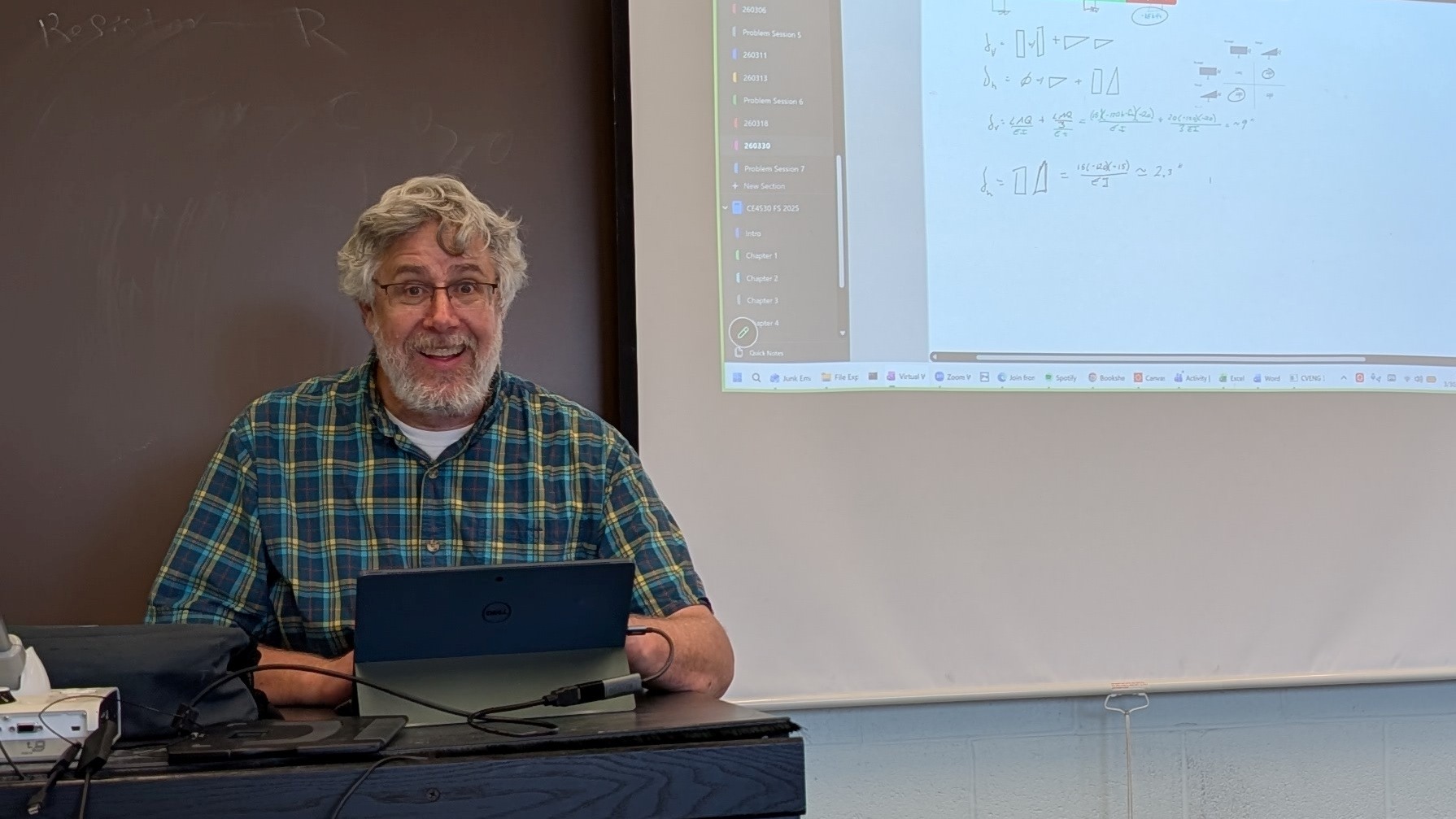
“Teaching excellence is a promise we make to every student who walks into our classrooms,” Edara said. “These initiatives ensure we uphold that promise through thoughtful planning, innovation and the collective dedication of our faculty.”
The initiative aligns strongly with Mizzou Engineering’s strategic priorities around student success and instructional quality, Dean Marisa Chrysochoou said.
“LATTICE exemplifies the kind of faculty-driven innovation we are advancing across the college through our RED grant,” Chrysochoou said. “By integrating professional development, instructional redesign, and AI-enabled learning, both LATTICE and RED strengthen teaching quality and elevate student experience.”
Individual efforts are already being piloted. Faculty are collaborating across emphasis areas, exploring new technologies, redesigning course content and engaging in professional development.
For students, the impact will be both immediate and lasting: more consistent expectations, stronger instructional support, enhanced learning tools and a clearer sense that teaching quality is a top departmental priority.
As LATTICE evolves, faculty and students will continue to shape its direction, ensuring it remains responsive to the needs of the CEE community. Ultimately, the initiative reflects a shared belief that great teaching is foundational to engineering education and to shaping the next generation of engineers.
“LATTICE reinforces what makes Mizzou special,” Chrysochoou said. “Our faculty care deeply about student learning, and they’re willing to innovate boldly to make that experience even stronger.”
Our faculty are trailblazers in the lab and the classroom. Learn more about faculty careers at Mizzou Engineering.