June 24, 2026
Five new engineering degree programs will prepare students for the next generation of innovation in aerospace, artificial intelligence, construction management and materials science.
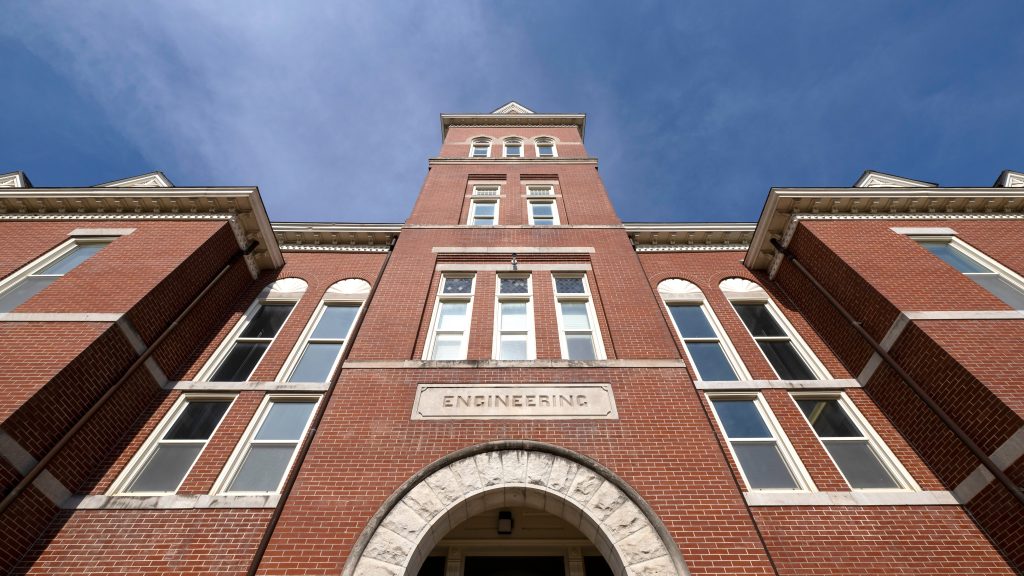
At Mizzou, we educate future leaders. Now, building on a legacy of interdisciplinary collaboration and world-class research, the College of Engineering is launching new undergraduate and graduate offerings designed to meet the growing demand for highly skilled engineers in rapidly evolving industries.
The five new programs — four starting in August and one next fall — reflect Mizzou Engineering’s commitment to equipping students with the knowledge and hands-on experience needed to strengthen communities and tackle complex global challenges.
“These new programs align with critical workforce needs and emerging research areas,” said Roger Fales, associate dean for academic programs. “From aerospace systems and artificial intelligence [AI] to advanced materials and construction management, these degrees will prepare our students to lead in industries that will shape tomorrow.”
With access to cutting-edge facilities, renowned faculty and interdisciplinary partnerships, students in these programs will gain the expertise needed to thrive in industry as well as academia.
Aerospace engineering
Starting this year, the new bachelor’s degree in aerospace engineering will give students the tools to design, develop and test aircraft and spacecraft systems. Grounded in core principles like aerodynamics, propulsion, structures and control systems, the program prepares graduates to contribute to aviation, defense and space exploration.
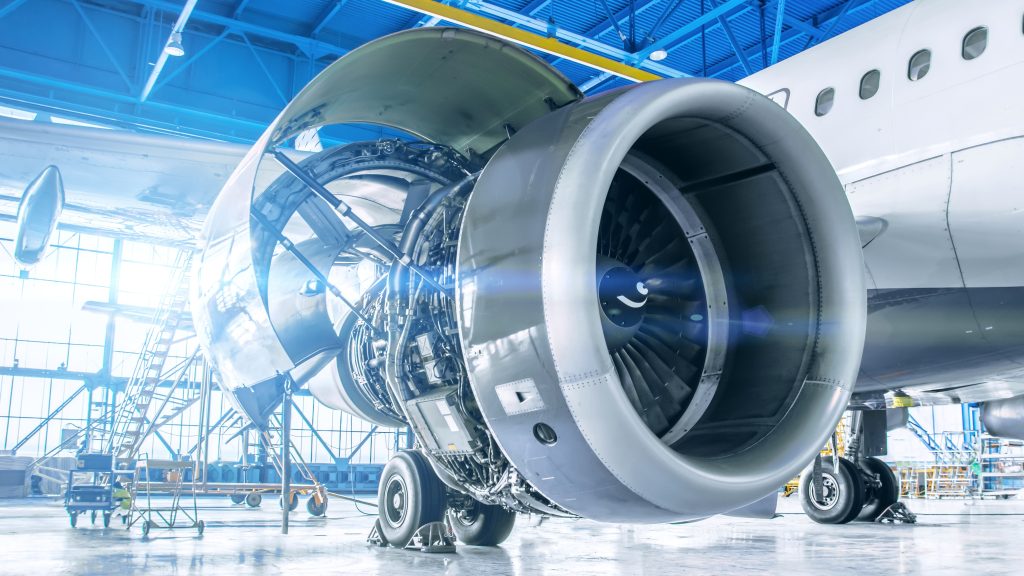
Hands-on learning is central to the program, with opportunities for undergraduate research, capstone design projects and participation in competition teams and student organizations.
“We designed this program to give students both a rigorous theoretical background and meaningful hands-on experience,” said Bart Prorok, chair of the Department of Mechanical and Aerospace Engineering. “Our graduates will be ready to design the next generation of aircraft and spacecraft systems while adapting to a rapidly changing aerospace industry.”
Graduates of the program will be prepared for careers in aerospace manufacturing, engineering services, federal agencies, research and development and advanced instrumentation industries.
Artificial intelligence
Mizzou Engineering is also expanding its footprint in one of the fastest-growing fields with the introduction of a master’s degree in AI and doctorate in AI. Both degree programs start this fall.
These programs will prepare students to develop and apply advanced AI techniques to real-world problems, combining theoretical foundations with hands-on research experience. Students will work alongside faculty on urgent topics such as deep learning, generative AI, natural language processing and bioinformatics.

“The rapid advancement of AI technologies has created an urgent demand for highly trained experts,” said Syed Kamrul Islam, chair of the Department of Electrical Engineering and Computer Science. “Our programs are designed to give students deep technical expertise while encouraging interdisciplinary collaboration to solve real-world challenges.”
Construction management
Beginning in fall 2026, the bachelor’s degree in construction management will prepare students for careers in delivering complex projects across infrastructure, industrial, commercial and residential sectors.
Developed collaboratively by Civil and Environmental Engineering, Architectural Studies, the Robert J. Trulaske, Sr. College of Business and the Novak Leadership Institute, the program builds on a successful minor and graduate certificate with minimal additional cost.
Students will graduate equipped for roles across the construction lifecycle — including planning, estimating, quality control, safety and project leadership — with opportunities among owners, contractors, designers and regulators.
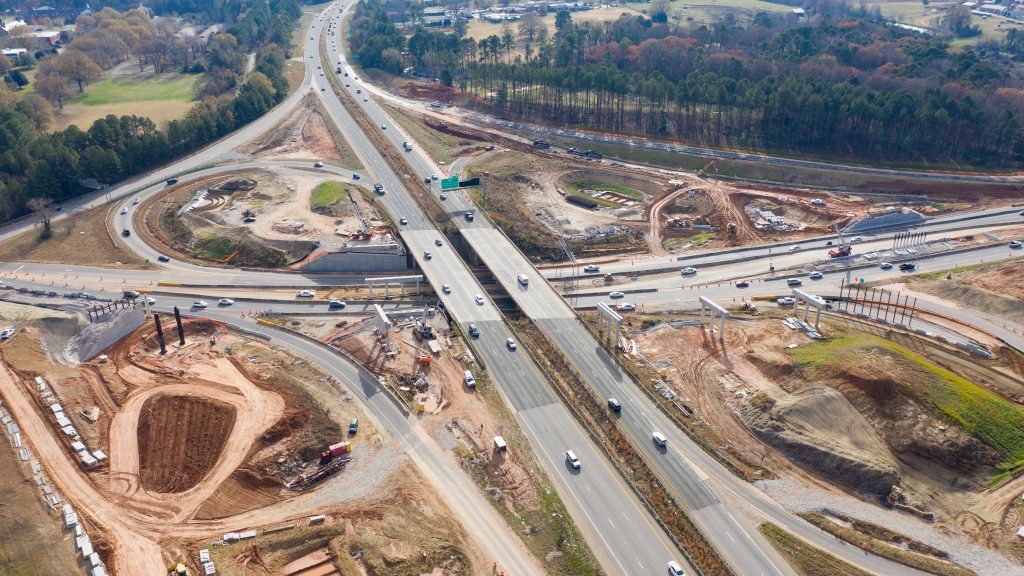
“This program responds to strong student and industry demand, fueled by major state and federal infrastructure investments and a persistent workforce shortage,” said Praveen Edara, chair of the Department of Civil and Environmental Engineering. “By emphasizing heavy construction, public and private infrastructure, we are supporting statewide economic needs and preparing graduates for high-demand, well-compensated careers in a rapidly growing field.”
Materials science and engineering
The new doctorate in materials science and engineering leverages Mizzou’s extensive research infrastructure to create a flexible, interdisciplinary PhD program beginning this fall.
Drawing on resources such as the MU Electron Microscopy Center, MU Research Reactor, NextGen Precision Health and the Mizzou Materials Science and Engineering Institute, students will engage in advancing research across a wide range of specialties.

“This program capitalizes on Mizzou’s unique research strengths to create a truly interdisciplinary doctoral experience,” said Jennifer Fiegel, chair of the Department of Chemical and Biomedical Engineering. “Our students will tackle some of the most important challenges in materials science, from quantum computing to sustainable manufacturing, while working with first-in-class facilities and faculty.”
The program addresses a growing need for highly trained materials scientists, particularly as industries such as medicine, computing and advanced manufacturing continue to evolve and converge.
Shaping the future through innovation
Together, these new programs reflect Mizzou Engineering’s commitment to innovation, collaboration and student success. By aligning academic offerings with industry needs and research advancements, the college continues to expand opportunities for students to make meaningful impacts in their fields.
“At Mizzou Engineering, we’re focused on preparing students not just for today’s jobs, but for the challenges of tomorrow,” Mizzou Engineering Dean Marisa Chrysochoou said. “These programs represent an investment in our students, our state and the future of engineering.”
From exploring the frontiers of space and materials to advancing the capabilities of intelligent systems, these new degrees empower Mizzou students to engineer solutions that will shape the world.
Discover what’s possible at Mizzou Engineering. Explore undergraduate admissions and graduate admissions.