Designing, monitoring and safeguarding the infrastructure people depend on.
We work on the structures and networks people depend on: the bridges, foundations and buildings that carry load, the highways and rail lines that move people and freight, and the materials and instruments that keep them in service. The work runs from design and analysis through field instrumentation and inspection to traffic operations and safety.
Much of it is done with the agencies that put results into practice. Two centers based here work with the Missouri Department of Transportation: the Missouri Center for Transportation Innovation, which coordinates transportation research across the four University of Missouri campuses in cooperation with the Federal Highway Administration, and the Missouri Work Zone Safety Center of Excellence. Faculty also hold awards from the Federal Highway Administration and the Federal Aviation Administration, and work with transportation agencies in other states and with the freight rail industry.
Faculty
Structural and geotechnical engineering
Design and behavior of structures, foundations and soils, including how they perform under extreme loads and over long service lives.
Transportation systems and safety
Traffic operations, highway and work zone safety, and the data and modeling used to reduce crashes and manage the network.
Yaw Adu-Gyamfi
Associate Professor
Praveen Edara
Professor and Chair, P.E.
Carlos Sun
Professor, P.E.
Construction and smart infrastructure
Pavement and construction materials, field instrumentation, and inspection methods that show how infrastructure is performing in service.
Anchoring Center
Missouri Center for Transportation Innovation
MCTI
A partnership between the Missouri Department of Transportation and the four University of Missouri campuses, in cooperation with the Federal Highway Administration, that carries transportation research through to use on Missouri roads and structures.
Missouri Work Zone Safety Center of Excellence
MOWZES
Established by the University of Missouri and MoDOT to lead research and outreach on work zone safety, across four themes: emerging technologies, data and tools, worker safety, and vulnerable road users.
Highlights
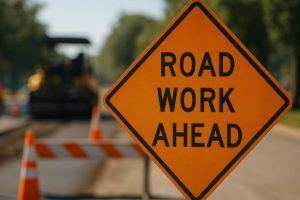
Virtual reality for work zone training
Praveen Edara – Active through 2029
$1.42M | Federal Highway Administration
Immersive virtual reality modules are replacing classroom instruction for work zone training. Results show they improve both a trainee’s ability to identify deficiencies and an instructor’s ability to assess performance.
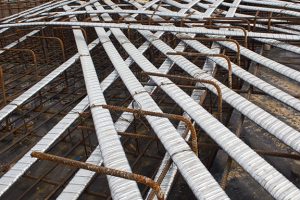
Managing risk in post-tensioned bridges
Glenn Washer – Active through 2029
$1.17M | Federal Highway Administration
In post-tensioned concrete bridges, the steel strands carrying the load are sealed inside the structure and cannot be inspected by eye. This work develops nondestructive evaluation and risk-based inspection methods that give bridge owners a basis for judging condition and targeting maintenance.
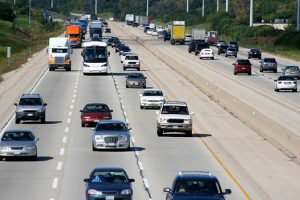
A transportation data exchange for Missouri
Yaw Adu-Gyamfi – Active through 2028
$920K | Missouri Department of Transportation
Transportation data sits in separate systems held by state agencies and private providers. This project builds an exchange that puts it into common formats, so information about traffic, work zones and road conditions reaches the systems that need it.
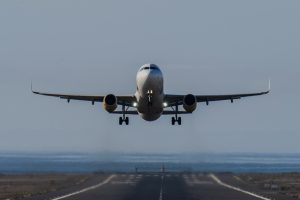
Recycled polymers in airfield pavement
Bill Buttlar – Active through 2027
$600K | Federal Aviation Administration
Plastic-modified asphalt is already in Missouri highways, including test sections in Columbia and on Interstate 155. This project tests whether the same recycled polymers can be used in the mixtures that surface runways and taxiways.